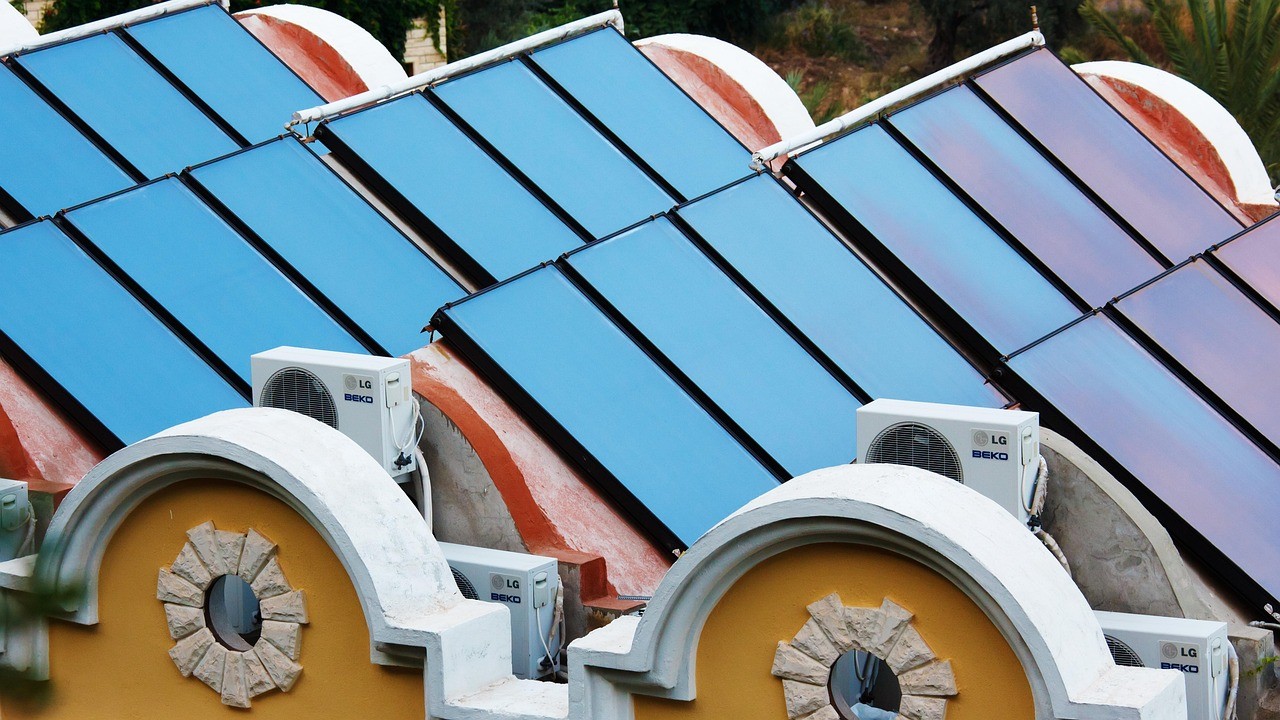
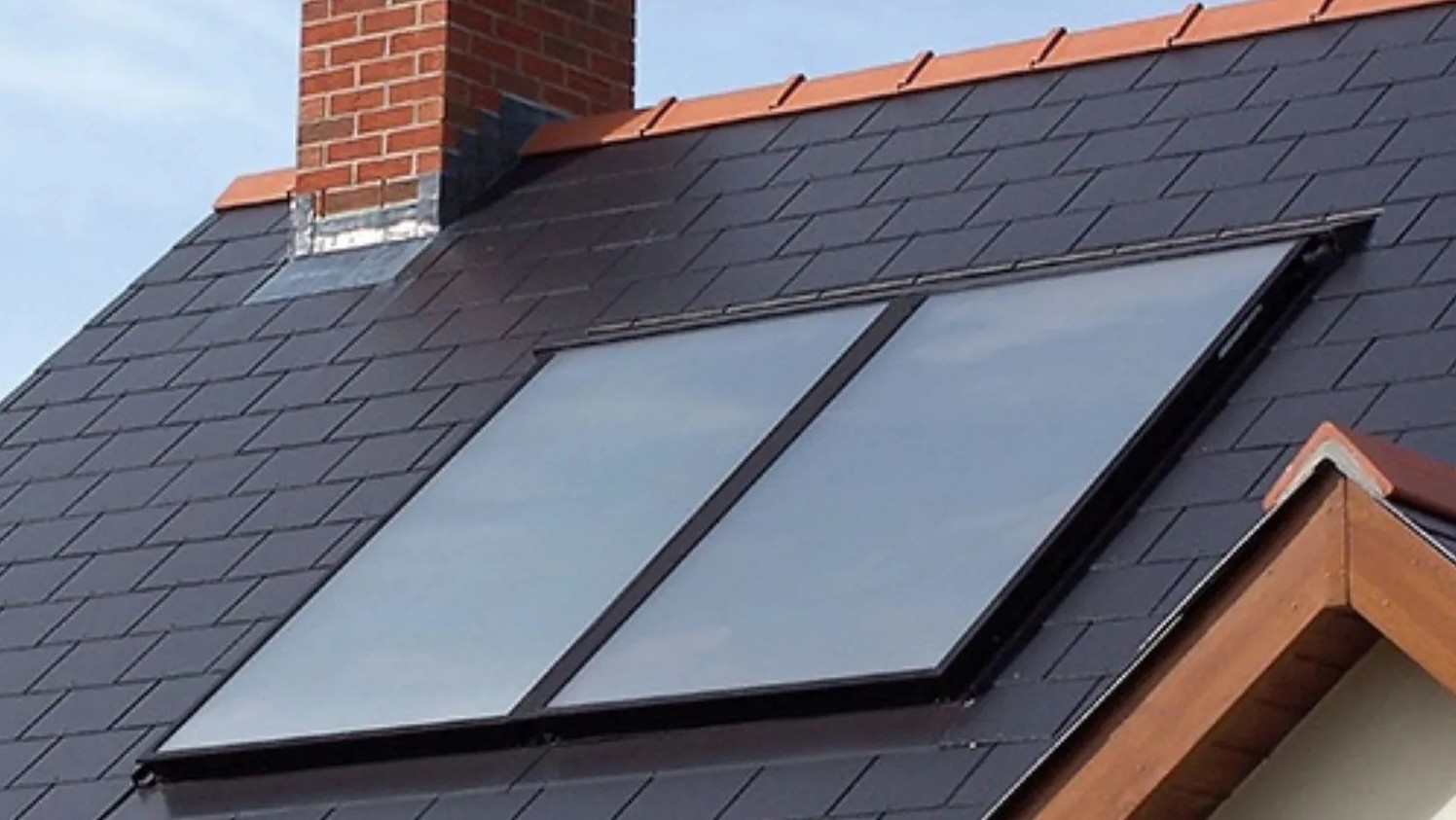
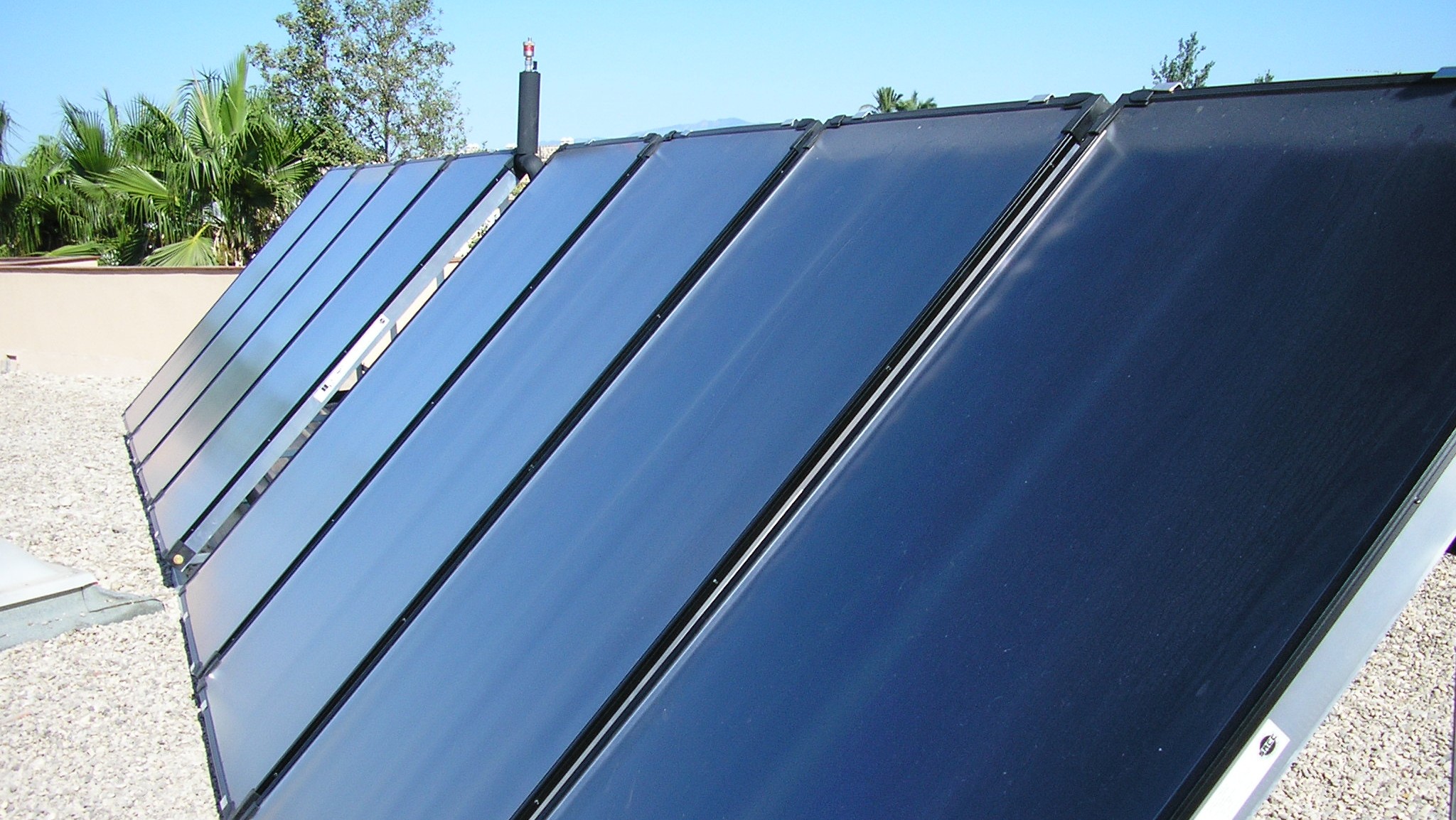
Turn sunlight into useful heat. NoL-STE gives you a comprehensive understanding of how solar radiation can be transformed into heat for domestic hot water and low-temperature space heating.
You will master the solar resource : the physics of solar energy and the global, diffuse and direct components of irradiance and learn to evaluate any site's solar potential, including shading that determine annual thermal yield.
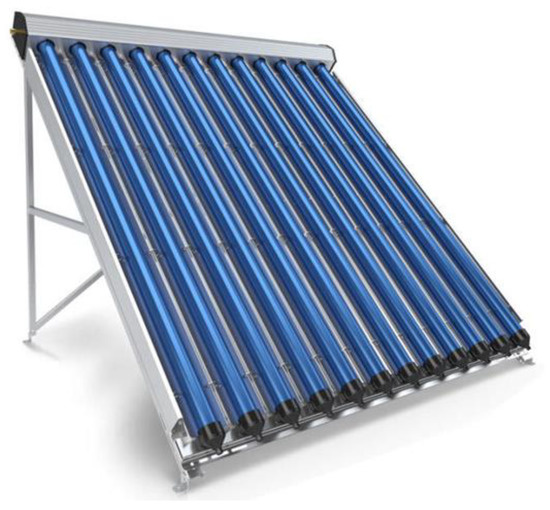
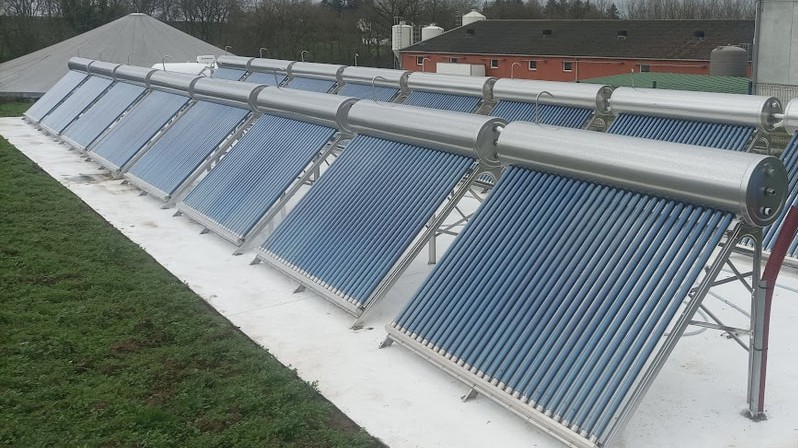
You will then explore non-concentrating collectors such as flat-plate and evacuated-tube systems: how they work, how they perform, and where they fit residential and small-scale applications. A key focus is designing for real needs — sizing collector area, storage capacity and hydraulics to match actual demand profiles.
Finally, through practical work on real experimental data — temperatures, flow rates and efficiency curves — you will learn to validate system performance and optimize operational settings in real installations.

Interreg North Sea Europe is a European transnational cooperation programme that brings together regions bordering the North Sea — including France, Belgium, the Netherlands, Germany, Denmark, Sweden and Norway. Part of the EU's cohesion policy, it funds joint projects that tackle common challenges in areas such as the transition to a green economy, innovation, climate resilience and sustainable growth. By fostering cooperation across borders, the programme helps regions share expertise and develop solutions that no single country could achieve alone. More Specifically, NESSIE is a Project aiming at developping workforce of critical Energy Transition professionals
www.interregnorthsea.eu/nessie
Université Bretagne Sud (UBS) is a French public university located in southern Brittany, on the Atlantic coast, with three human-scale campuses in Lorient, Vannes and Pontivy. With around 9,000 students and 900 staff, including 500 teacher-researchers, it offers a wide range of professional-oriented programmes — from law, economics and management to languages, humanities and engineering sciences — supported by high-quality research in four key fields: cyber, marine and coastal studies, materials, and data science. Its close ties with regional businesses and its active participation in European cooperation projects, notably through the Interreg North Sea programme, make UBS a key player in innovation and sustainable development in the region.
www.univ-ubs.fr/
The MT2E Department (Métiers de la Transition et de l'Efficacité Énergétiques — formerly Génie Thermique et Énergie) of the IUT of Lorient-Pontivy trains senior technicians in energy engineering over three years (BUT MT2E). Combining physics, technical studies and hands-on practice on real installations, the programme covers energy auditing, renewable energies, thermal and refrigeration systems, and the optimization of energy performance in buildings and industry. With a strong focus on the energy transition and close links to regional and European partners — including cooperation projects such as NoL-STE — the department prepares students for careers at the heart of today's energy and environmental challenges.
www-iutlorient.univ-ubs.fr/fr/index.html